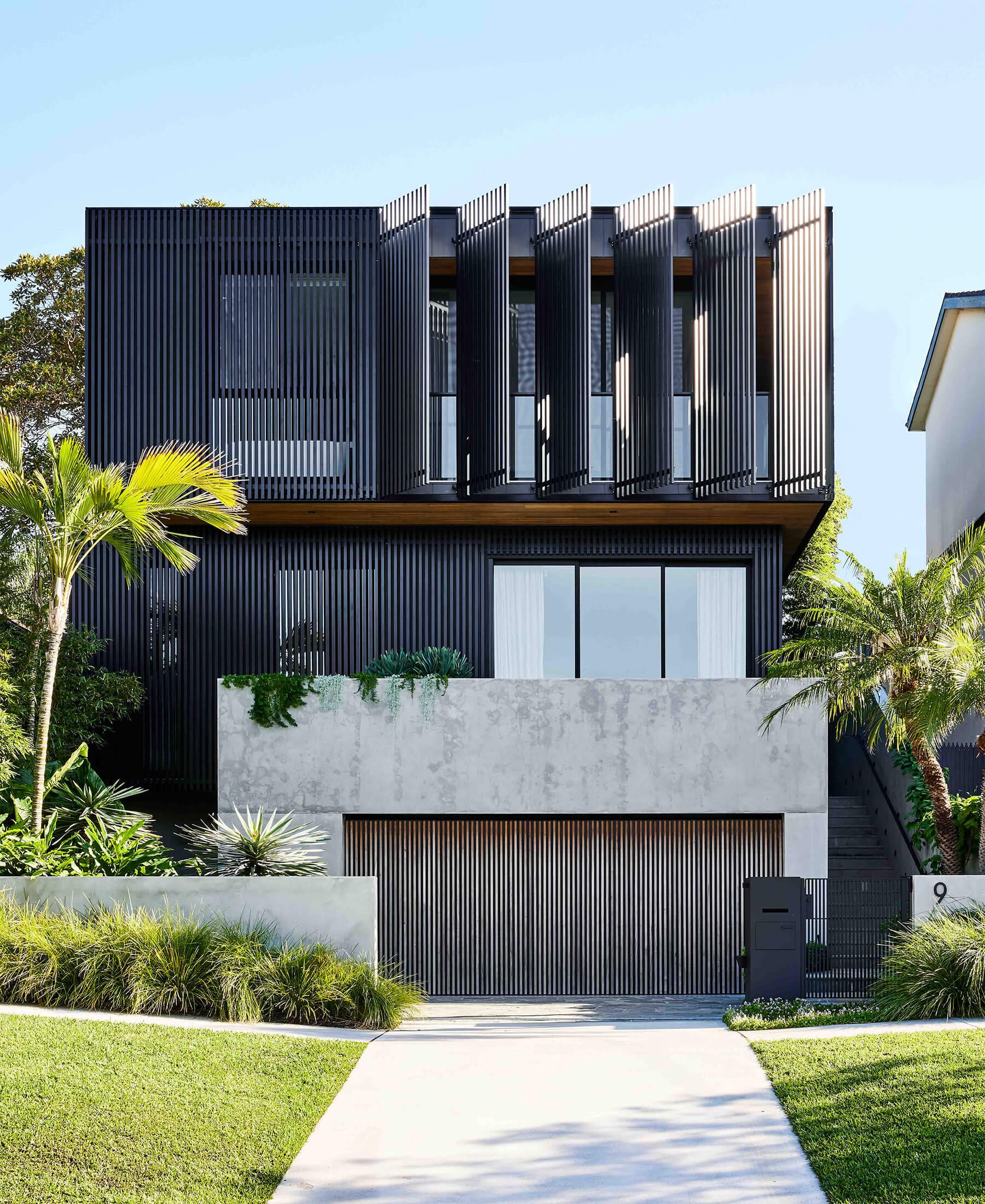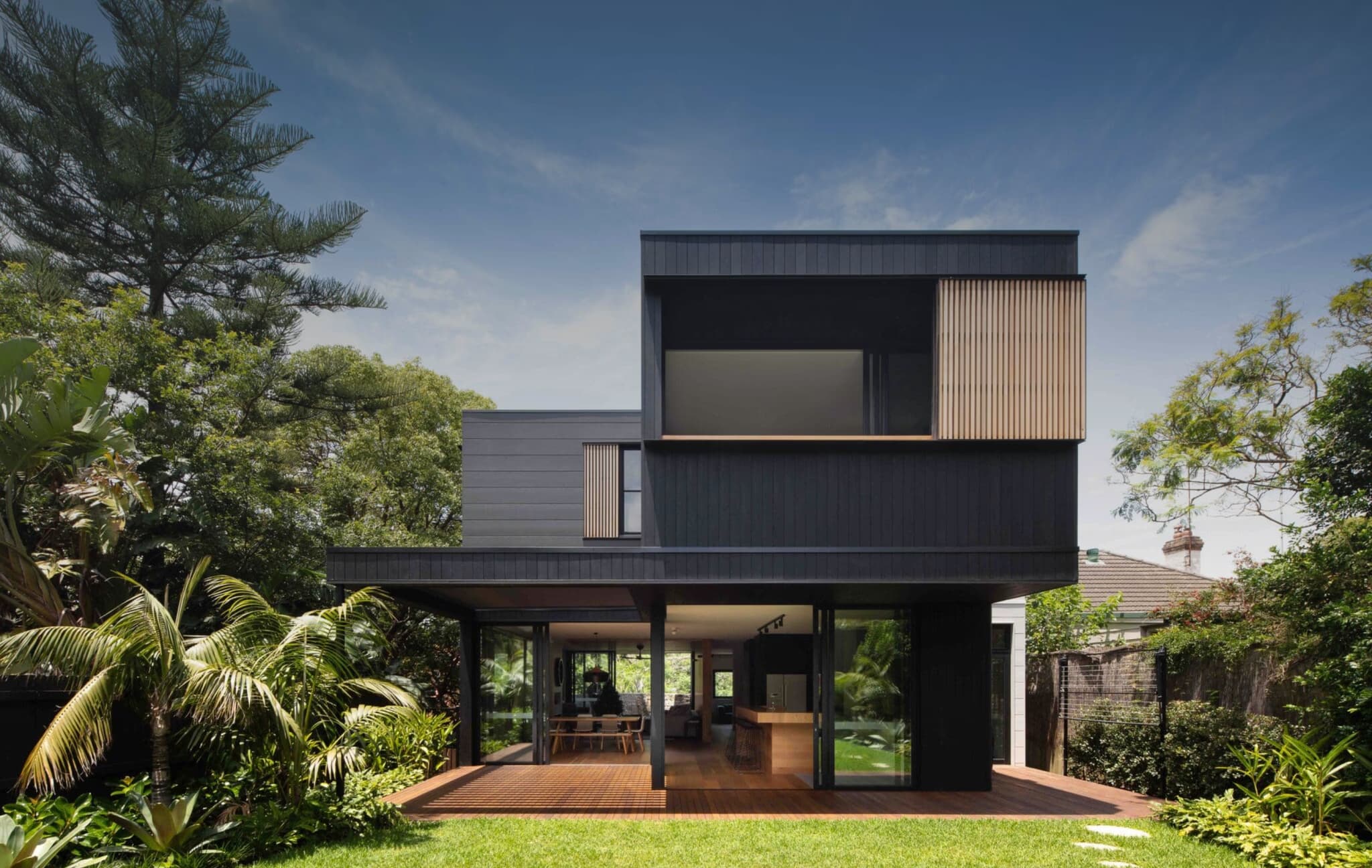
Modular homes have come a long way from outdated stereotypes. Today, they represent a smarter, more refined way to build — combining speed, precision, and modern design without compromise.
For many people, the term “modular home” still brings to mind something temporary, basic, or lower in quality. But that perception is quickly becoming outdated.
Modern modular homes are redefining what it means to build — offering a level of efficiency, consistency, and design quality that traditional construction often struggles to match.
At its core, modular construction simply means building a home in sections within a controlled environment, then assembling it on-site. But what makes this approach powerful is not just how it’s built — it’s how well it can be built.

Because construction takes place in a factory setting, every stage is protected from weather delays, material damage, and inconsistent site conditions. This allows for greater precision, tighter quality control, and a more reliable outcome overall.
At the same time, modular no longer means limited design. Today’s modular homes are thoughtfully designed with modern layouts, premium finishes, and architectural details that rival — and often exceed — traditional builds.
Another major advantage is time. While conventional homes can face months of delays due to weather, labour shortages, or site complications, modular homes benefit from a streamlined process where site preparation and construction happen simultaneously. The result is a significantly faster path from concept to completion.
Sustainability is also a key part of the shift. Factory-based construction reduces material waste, improves efficiency, and supports better energy performance — making modular homes a more responsible choice for the future.
Ultimately, modular construction isn’t about cutting corners — it’s about refining the process. It’s a smarter, more controlled way to build homes that meet the expectations of modern living.
As the housing landscape continues to evolve, modular homes are no longer the alternative. They’re quickly becoming the benchmark.